
Key Takeaways
- The five signals that matter: the same data typed into two systems, stock nobody trusts, a month-end that takes a week, one person who is the only one who knows, and quoting that guesses.
- If none of those apply, keep your money. Xero or Sage plus one good tool beats a system nobody has time to adopt.
- Per-user pricing is the trap for growing SMEs: at published UK rates of £74–£112 per user per month, going from 8 to 25 staff can triple the bill without adding a single feature.
- Phase it. One module in real use inside six to ten weeks tells you more than any demo or reference call.
ERP for a small business means one system of record for stock, orders, purchasing and finance instead of a spreadsheet for each. For UK SMEs the honest answer is that it is worth it later than the vendors say and earlier than most owners think — and the deciding factor is almost never the software. It is whether the same information is currently being typed in twice, and whether anyone can answer “what did that job cost?” without opening four files.
Five Signals You Have Outgrown Spreadsheets
Not opinions — symptoms. Two or more of these and the maths usually works.
- The same data goes into two systems. An order typed into the sales sheet, then into Xero, then into a courier portal. Every duplicate entry is a future discrepancy with a delivery date attached.
- Nobody trusts the stock figure. The number exists, and everybody checks the shelf anyway. That is not a stock problem, it is a system-of-record problem.
- Month end takes a week. If closing the month means reconstructing what happened from memory, email and three spreadsheets, you are paying for the missing system in salary rather than licence fees.
- One person is the system. When Dawn is on holiday, quoting slows down, because the pricing logic lives in her head and one workbook. That is a business risk, not an admin quirk.
- Quoting is guessing. If you cannot say what last quarter’s equivalent job actually cost, you are pricing on hope and finding out afterwards.

The Per-User Trap
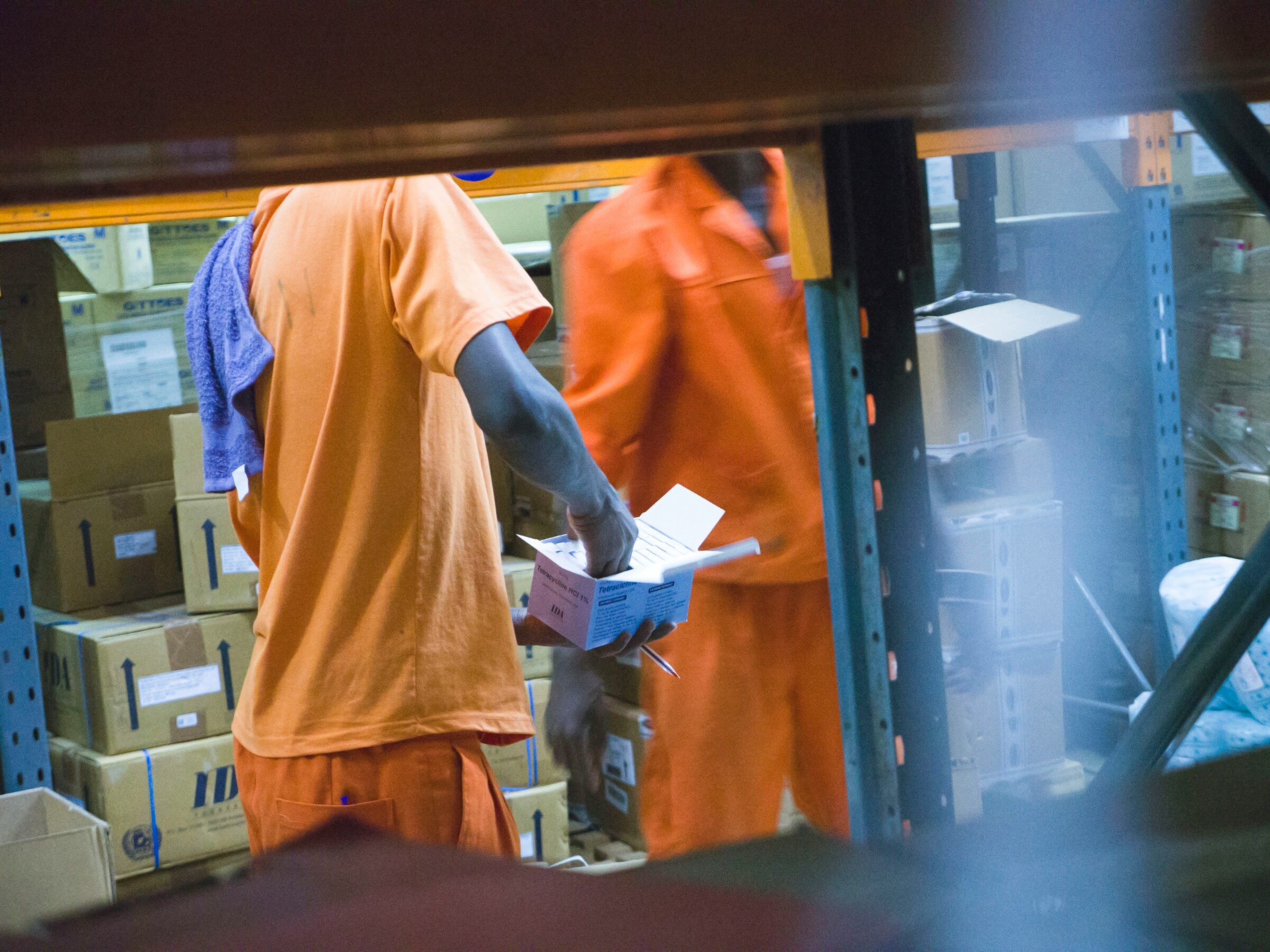
This is the part that catches growing UK SMEs, and it is arithmetic rather than opinion. Published UK list prices for subscription ERP run about £74–£112 per user per month before implementation.
| Headcount needing access | At £80 per user/month | Per year |
|---|---|---|
| 8 users | £640 | £7,680 |
| 15 users | one agreed monthly fee | £14,400 |
| 25 users | £2,000 | £24,000 |
| 40 users | £3,200 | £38,400 |
Nothing was added between those rows except people. Independent UK research puts realistic all-in cost at £15,000–£60,000 a year once implementation and support are counted, and estimates for a 10–20 user cloud rollout commonly land at £1,000–£3,000 a month.
Two consequences worth planning for. First, businesses ration logins to control cost, which quietly defeats the purpose — the warehouse operative who cannot see the system goes back to paper. Second, seasonal or shift-based growth becomes a budget conversation instead of an operational one.

The Alternatives, Fairly Stated
| Option | Where it wins | Where it fails |
|---|---|---|
| Xero or Sage plus one good tool | Under about eight people, one simple sales process, standard stock | The moment two tools need the same data and neither is the master |
| Subscription ERP | Standard processes, stable headcount, fast start | Per-seat growth; edge cases become workarounds; changes wait for the vendor roadmap |
| Industry-specific product | A genuinely close sector match, especially in regulated trades | Small ecosystems, thin integrations, and the fit ends where your differences begin |
| Custom build | Non-standard process, rising per-seat cost, ERP that must talk to your site | Slower than signing up for a product; needs a partner who will still be there in month nine |
Note what is not on that list: doing nothing while growing. That is the option that costs the most and never appears on an invoice.

How to Phase It So It Pays for Itself
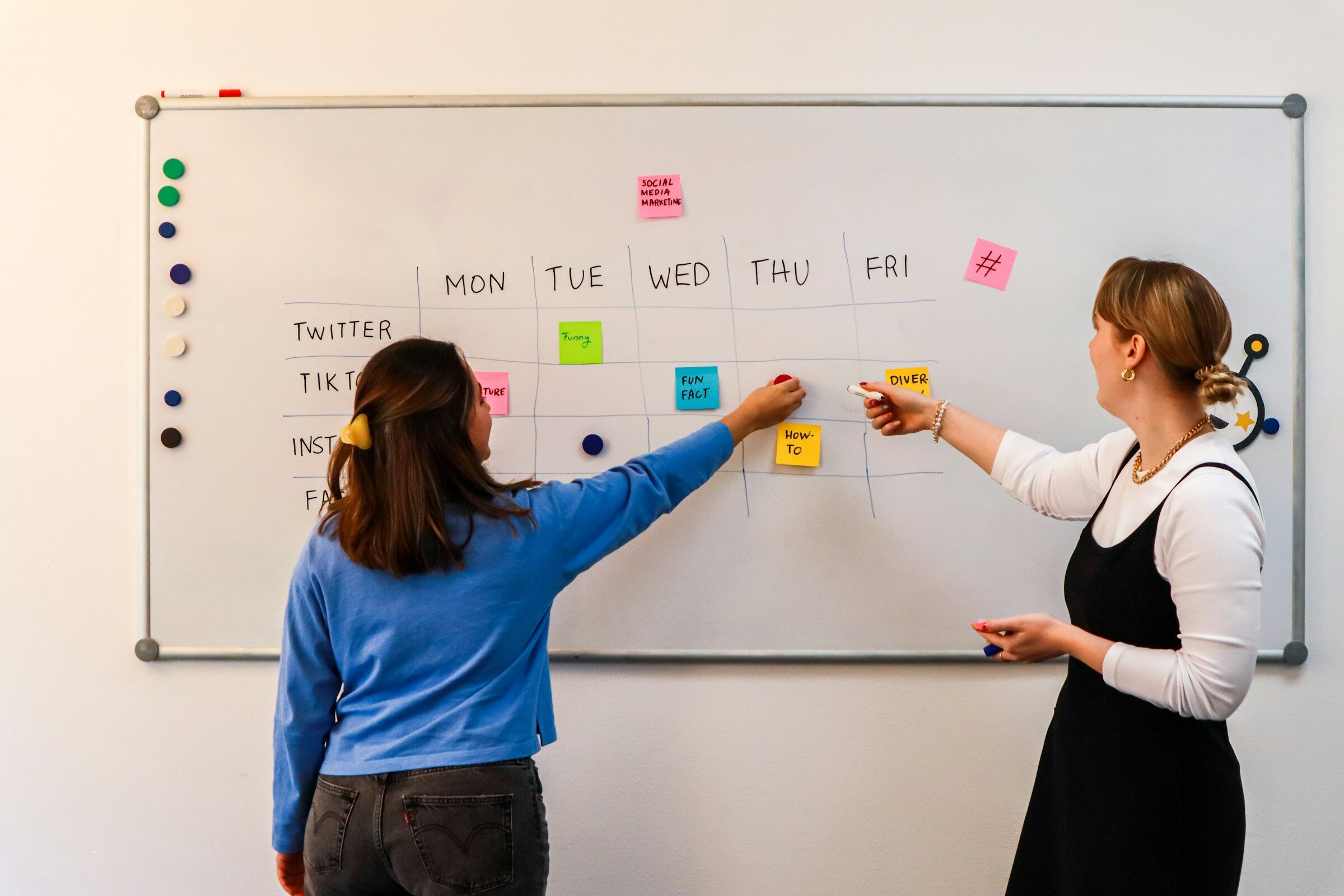
The failure pattern for SMEs is a big-bang launch that lands on a team with no capacity to absorb it. The alternative is deliberately boring.
- Weeks 1–2: follow one order. Enquiry to invoice, with the people who do it, writing down every workaround in their words. This is the audit, and it decides the order of everything else.
- Weeks 3–10: one module, live. Whichever hurts most — usually stock or orders. On your real data, used by your real team, not a sandbox.
- Months 3–9: the rest, in phases. Purchasing, costing, finance sync, reporting — each in genuine use before the next begins.
- Throughout: keep the accounting package. Xero or Sage stays the book of record; the ERP feeds it. Nobody has to relearn the accounts.
The test after each phase is the same: did anyone stop using a spreadsheet? If not, the module has not landed, and adding another will not help.
What to Ask Before You Sign Anything
- What is the total for year one, including implementation, and for year three at our expected headcount?
- Who does the work — your team or a partner — and what is the day rate after go-live?
- Show me our VAT trail from order to filed return, and our year-end stock and WIP figures coming out of the system.
- What happens to our spreadsheet and Xero history? Migrated and reconciled, or left behind?
- If we grow from 12 to 30 people, what changes on the invoice?
- Can we leave? What do we take with us, and in what format?
If you want a second opinion on the answers, that is what our UK ERP page exists for — and the call ends with an honest recommendation even when it is “stay on Xero for another year”.

Frequently Asked Questions
How small is too small for ERP?
There is no headcount threshold, only symptoms. A five-person distributor duplicating every order into three systems needs one more than a twenty-person consultancy with a clean process. Count the five signals: duplicate entry, untrusted stock, week-long month end, single points of knowledge, and guesswork quoting.
What does ERP cost for a UK small business?
Published per-user list prices are about £74–£112 a month before implementation, and estimates for a 10–20 user cloud rollout commonly reach £1,000–£3,000 a month all-in. Independent UK research puts total annual cost at £15,000–£60,000. Ask for year one and year three at your expected headcount, not the monthly headline.
Do we have to replace Xero or Sage?
No, and usually you should not. Keep it as the book of record for accounts and let the ERP be the system of record for operations, syncing through the official API. Your accountant stays on software they trust and your MTD compliance stays where it already works.
Is custom ERP realistic for a small business?
Yes, once your process is the reason you are still on spreadsheets, or once per-seat pricing is rising faster than the business. If you are five people with one simple sales process, an off-the-shelf tool is still the better answer, and any honest supplier will tell you that.
What is the most common reason SME ERP projects fail?
Adoption, not software. A big-bang launch onto a team with no spare capacity, built from a questionnaire rather than from watching the work. Phasing one module into real use at a time, and checking whether a spreadsheet actually got retired, avoids most of it.
Weighing up ERP for your own business?
Book a free strategy call. We walk one real order through your business with you and tell you honestly whether custom, cloud or off-the-shelf fits — including when the answer is “not yet”.
Book a Free Strategy Call