England
The default every UK package assumes: rest-of-UK income tax rates and a GB-prefixed VAT number. If your staff and stock are all in England, none of the extra fields on this row get built.
From Kochi, India — for businesses across the UK
ERP that keeps the VAT records Making Tax Digital asks for, websites hosted in a London cloud region and built to UK GDPR and PECR, and search work written for Google UK and AI answers — engineered by one team in Kochi, Kerala, invoiced in pounds, with no minimum term.
Built on & worked in daily — the stack behind every engagement
 ReactTypeScript
 Node.jsPostgreSQL
 Supabase
 VercelAWS
 GitGitHubWordPressShopifyStripeXeroSageQuickBooks
 Google Search ConsoleGoogle Analytics 4Looker Studio
 Semrush
 AhrefsScreaming FrogPageSpeed InsightsSchema.orgChatGPTPerplexityNext.jsReactTypeScriptNode.jsPostgreSQLSupabaseVercelAWSGitGitHubWordPressShopifyStripeXeroSageQuickBooksGoogle Search ConsoleGoogle Analytics 4Looker StudioSemrushAhrefsScreaming FrogPageSpeed InsightsSchema.orgChatGPTPerplexity
Fixed prices · United Kingdom
For a UK buyer the detail that matters is the invoice: it comes from India, in pounds, with no UK VAT on it. A VAT-registered business applies the reverse charge HMRC describes for services bought from abroad, which normally leaves nothing extra to pay.
London is 4½ hours behind Kerala in summer and 5½ in winter, so most of a British morning sits inside our working day for calls and reviews.
Full inclusions and exclusions for both packages →The 14-Day Site
£3,500 fixed fee, paid once
A 100-page site, live a fortnight of working days after content sign-off.
The 30-Day System
£6,000 setup, plus £600 monthly
An ERP for stock, orders, jobs and billing. Payroll and links to your accounts package come later, as phase two.
TechAuditPros is a software and search team in Kochi, Kerala, that builds three things for UK businesses: custom ERP systems that run stock, orders, production and job costing and hand clean VAT figures to Xero, Sage or QuickBooks for Making Tax Digital; websites engineered for speed, accessibility and the PECR consent rules; and SEO, AEO and GEO, so a page ranks on Google UK and gets quoted in AI answers. There is no UK office. Invoices are in pounds sterling without UK VAT — a VAT-registered buyer applies the reverse charge — and UK data sits in a London region inside an account you own.
Because each of them assumes your records are digital and joined up. Making Tax Digital for Income Tax began on 6 April 2026 for sole traders and landlords with qualifying income over £50,000; from April 2028 Companies House will take accounts only through commercial software; and the government has confirmed mandatory e-invoicing for all VAT invoices from 2029. When the site takes the order, the ERP holds it and your accounts package files it, one team can keep the three in step — instead of three suppliers each owning a piece and nobody owning the joins.
How Each Service Handles It
ERP · Web · Search
Stock, works orders, purchasing and job costing in one system of record. VAT figures pass to Xero, Sage or QuickBooks, so the return still reaches HMRC through software HMRC accepts, and stock and WIP are structured for an FRS 102 year end.
Next.js and React sites with a cookie banner drawn to PECR as amended in February 2026, hosting in a UK region, WCAG 2.2 AA practices, and British spelling in the copy and the structured data alike.
Technical, local and content work aimed at Google UK searchers, plus the answer-engine work that gets a page quoted in AI Overviews, ChatGPT and Perplexity — reported every month in writing.
England · Scotland · Wales · Northern Ireland
For most of the system, no. For payroll tax codes and for VAT on goods it does — and those are exactly the fields a generic package tends to get wrong.
The default every UK package assumes: rest-of-UK income tax rates and a GB-prefixed VAT number. If your staff and stock are all in England, none of the extra fields on this row get built.
People who live in Scotland pay Scottish Income Tax — six bands from 19% to 48% in 2026 to 2027 — and HMRC starts their tax code with an S. We carry that code from the employee record to the payroll export untouched.
Welsh rates of Income Tax apply to people who live in Wales, and HMRC adds a C to the start of their tax code. Same rule here: the code travels with the person, and nobody re-types it at the month end.
Under the Windsor Framework, a business moving goods between Northern Ireland and the EU uses an XI prefix on its VAT number on those invoices. We build the ERP to hold both identities and pick the right one on each order.
Buying for a business outside the UK? The same team keeps separate pages for the United States, Canada, Australia, the UAE and India.
01 Act one
Not a criticism. Plenty of growing firms run on some version of this, and it works right up until the day it does not.

The job travels on paper.

Last year lives in a drawer.

And the real system is a spreadsheet.

Checked by hand, every month.
02 Act two
Enquiry to invoice, on a wall, with the people who actually do it — not a questionnaire, and not a demo of our software. Every workaround gets written down in their words, and the map that comes out is yours whether or not you carry on.

A real order, pinned up and walked from enquiry to invoice.

Each hand-off written down as the team describes it.

The side-spreadsheets and sticky notes too.
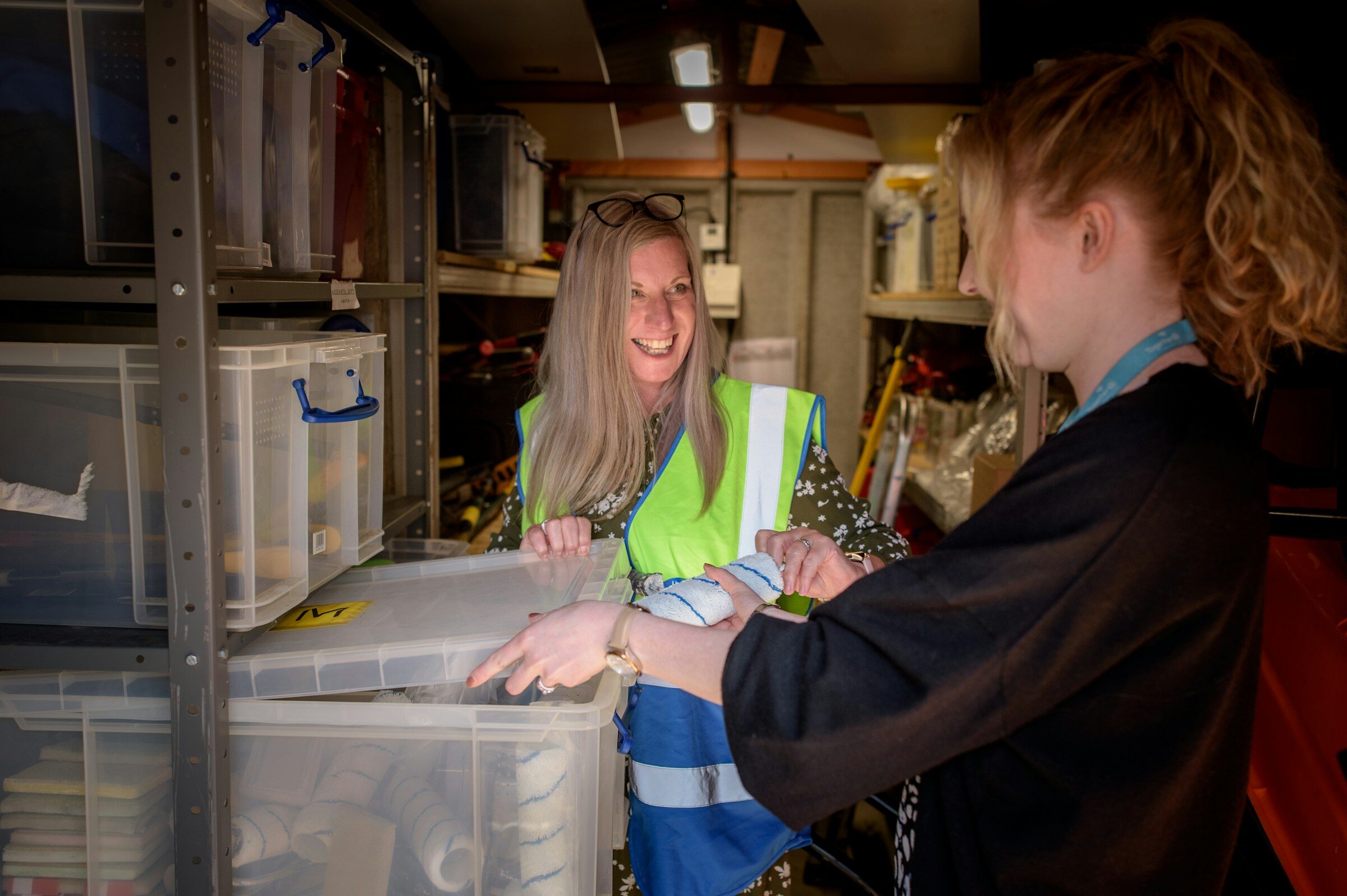
And the workaround everyone forgot was a workaround.
03 Act three
Modelled and clickable before any production code. Each fortnight you get a staging URL and a written note of what changed. Progress you verify, not progress you are told about.

Modelled first.
Data model and screens you approve before anything is coded.

Built in increments.
Two weeks at a time, on a staging system, on your own data.

Reviewed with your team.
The people who will use it break it before your customers can.

Signed off, then the next piece.
Nothing moves on until the last piece is in genuine daily use.
04 Act four
This is the part a demo never shows you. Scanned in a cold warehouse with gloves on, booked at a machine, run on a batch line, sent out to a subcontractor and brought back. If it does not work here, it does not work.

On the production floor

In the racking, with gloves on

On a forklift, one-handed

On the pallet truck, scanning

Out at the subcontractor

On a batch line, by recipe
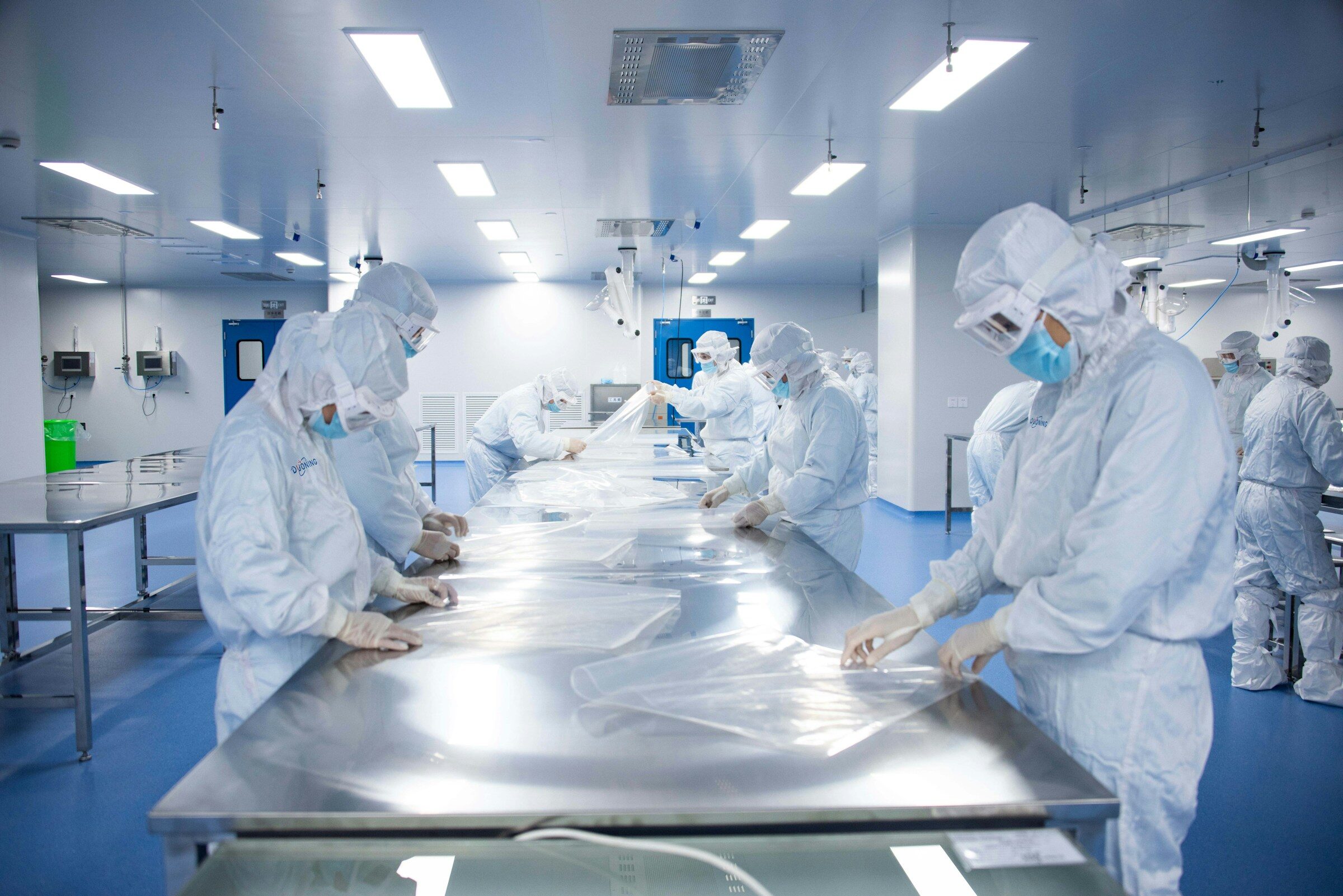
Under traceability rules

And out of the door
Scroll the strip — eight places the same system has to work
05 Act five
Which is the entire point of the exercise. Stock the floor believes, a cost per job that is real, VAT records ready for Making Tax Digital, and a month end that comes out of the system instead of out of three spreadsheets and somebody’s memory.
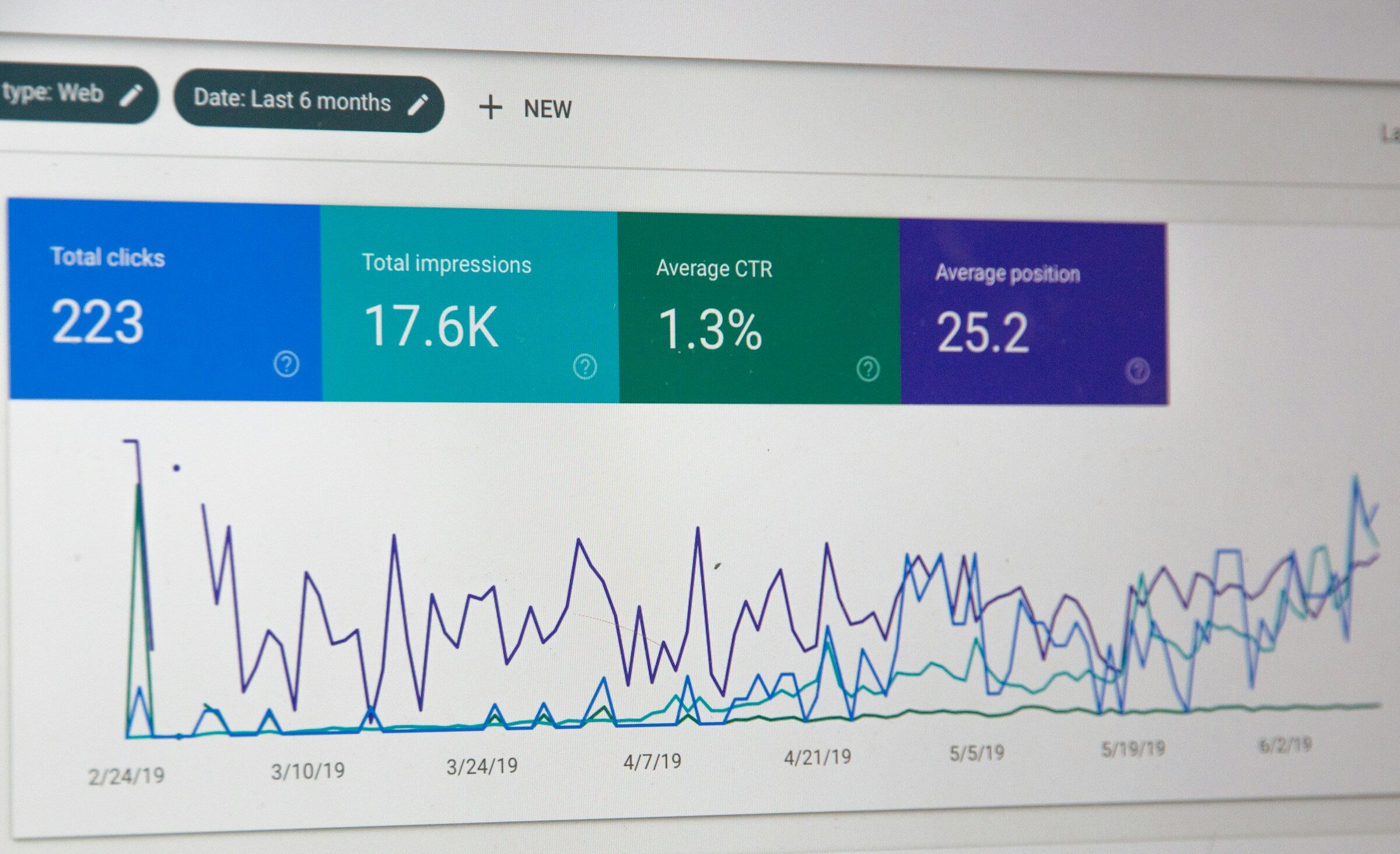
One figure. Floor, office and board.

The same report every month.

Including the parts that went the wrong way.

And a year end your accountant can use.
06 Act six
We work remotely from Kerala for businesses across the United Kingdom. Each of these pages is written for what that place actually asks us for — not the same page with the city name swapped.

London
The City, the Wharf, and the industrial belt — and they need different software.
Read the London page
Manchester
A broad production base: textiles, food, plastics, fabrication, distribution round the M60.
Read the Manchester page
Reading & the Thames Valley
Technical buyers who read your source before the first call, on a train, on 4G.
Read the Reading page
Scotland
Aberdeen works in the field, Edinburgh works in the office. One page, two jobs.
Read the Scotland pageBefore You Sign Anything
Six questions separate most suppliers in a single call: where the data lives, how VAT reaches HMRC, who owns what, what a change costs, who you talk to, and how you leave. These are ours, answered in advance.
In a London cloud region — AWS eu-west-2 or Google Cloud europe-west2 — inside an account registered to you. India is not on the UK adequacy list, so our engineers’ access is a restricted transfer, covered by the ICO’s IDTA or the Addendum alongside a data processing agreement.
Through the accounting package you already file from. The ERP keeps the digital records; Xero, Sage or QuickBooks submits the return through its own connection, as MTD for VAT requires. We do not build a second route to HMRC.
You do, from the first commit. Repositories, databases, domains and hosting sit in accounts in your company’s name, so there is nothing to hand back if you ever leave.
Nothing on top: changes and new pages sit inside the agreed monthly fee. There are no hourly change-request invoices and no separate support retainer to negotiate later.
The people building it, on Teams, Slack or a call during your working day. Nobody sits in between relaying messages, and nothing gets lost in a ticket queue.
At the end of any month, with the code, the data and the documentation. There is no minimum term and no exit fee, which is also why we have to keep earning the next month.
GMT, BST and IST
Kochi is four and a half hours ahead of the UK during British Summer Time and five and a half hours ahead during GMT. India does not change its clocks, so only the UK side moves — next on 25 October 2026 and 28 March 2027.
Invites go out in UK time, so nobody has to recalculate twice a year.
Four documents, all in plain English. A mutual NDA before we see anything; a statement of work with the scope, the dates and the agreed monthly fee in pounds; a UK GDPR data processing agreement, with the IDTA or Addendum attached wherever we touch personal data; and a sterling invoice each month with no UK VAT on it, which your accountant handles under the reverse charge described in HMRC’s VAT Notice 741A.
Talk It Through on a Call
Proof you can open
Nothing we can show is in the UK yet. Everything below is live in Kerala, every link opens the real thing, and our own sales team runs on a staff app we built in-house.
FAQ
No. TechAuditPros is registered in Kerala, India (GSTIN 32CXYPP6750P1ZC), and works for UK businesses remotely from Kochi. There is no UK office and no UK-registered entity, and we would rather you read that here than discover it in a proposal.
No. Invoices are in pounds sterling with no UK VAT on them. Because we belong outside the UK and you receive the service here, a VAT-registered UK business applies the reverse charge — it records output tax on the value and reclaims it as input tax on the same return, as VAT Notice 741A, section 5 describes. If you are not yet VAT-registered, reverse-charge services count towards your taxable turnover for the £90,000 threshold, so tell your accountant.
Yes, by design rather than by adding a filing route. The ERP keeps VAT records digitally from order to invoice and passes them to the accounting package you already file from, which submits the return through its HMRC connection — HMRC requires every VAT-registered business to keep digital records and file through compatible software. The same approach carries over to MTD for Income Tax, which started on 6 April 2026 for sole traders and landlords with qualifying income over £50,000.
The data sits in a London cloud region inside an account you own. Remote access from India counts as a restricted transfer, because India has no UK adequacy regulations, so we put the ICO’s International Data Transfer Agreement or the Addendum in place, together with a data processing agreement that names you as controller and us as processor.
Yes, mostly in your favour. Since 5 February 2026, first-party analytics used only to improve your own site no longer needs consent under PECR, provided visitors are told and can object; advertising and cross-site tracking still need consent, and PECR fines now reach £17.5 million or 4% of global turnover. We draw the banner along that line instead of blocking everything or nothing.
ERP, web and search work are scoped on a call and put in writing as one agreed monthly fee in pounds, with no per-seat licences, no upfront project fee and no minimum term. Two packages carry fixed prices, and they are shown near the top of this page.
Kochi is four and a half hours ahead of the UK in British Summer Time and five and a half hours ahead in GMT, because India does not change its clocks. A 10:00 call in London is 14:30 in Kochi in summer and 15:30 in winter, and the UK clocks next change on 25 October 2026 and 28 March 2027.
Yes, where they touch the system: S and C tax-code prefixes carried through to payroll exports, and a separate XI VAT identity for a Northern Ireland business that moves goods to or from the EU under the Windsor Framework. If none of that applies to you, none of it gets built.
Not yet, and we would rather say so here. Everything we can show is in Kerala: the Viraat Marine shipyard ERP (live in 45 days, 19 role desks), the Telgo Power Projects website and the Telgo site staff app. On a call we open them with you and scope your work against your own data before you commit to anything.
All of it, remotely. London, Manchester, Reading and the Thames Valley, and Scotland have their own pages because buyers there ask for different things; everywhere else is served from this one. If you need someone on site every week, we are the wrong fit, and you will hear that before any proposal is written.
Book a free strategy call and bring whichever hurts most: a recent VAT return summary, your current website, or the spreadsheet that really runs the business. We will tell you where the leverage is — and whether you need us at all yet.