
Key Takeaways
- MRP answers “what should we make or buy, and when?” from bills of materials, stock and lead times.
- ERP is the system of record around it: orders, purchasing, production, stock and finance in one place.
- WMS runs the physical warehouse: locations, directed picking, goods-in and stock accuracy.
- Most UK SMEs need ERP with MRP inside it. A separate WMS only pays for itself once the warehouse is big or complex enough to need directed picking.
These three get sold as alternatives and they are not. MRP (material requirements planning) works out what to make or buy and when. ERP (enterprise resource planning) is the wider system of record that holds orders, purchasing, production, stock and finance together. WMS (warehouse management system) runs the physical warehouse: where things are, who picks them, in what order. Knowing which question you actually have is the difference between buying the right thing and buying the expensive thing.
What Each One Answers
| MRP | ERP | WMS | |
|---|---|---|---|
| The question it answers | What do we make or buy, and when? | What is really happening in the business? | Where is it, and who picks it next? |
| Core inputs | Bills of materials, stock, lead times, demand | Everything: orders, purchases, jobs, invoices | Locations, bins, tasks, scans |
| Typical users | Planners, buyers | Everyone, by role | Warehouse operatives and supervisors |
| Fails without | Accurate BOMs and lead times | One agreed system of record | Disciplined location data |
| Signature output | A works order and a purchase plan | A costed, traceable transaction history | A pick list and a stock-accuracy figure |
The overlap is real: most ERP systems include MRP, and many include basic warehouse functions. That is why the labels blur in sales conversations. The useful distinction is not the acronym, it is which of those three questions is costing you money this month.

MRP, Concretely
MRP takes what you have promised to deliver, explodes it through your bills of materials, subtracts what you already hold and what is already on order, applies supplier and production lead times, and tells you what to raise and when. Done well it turns “can we hit that date?” from an opinion into a calculation.
It fails in one predictable way: garbage BOMs and fictional lead times. If a component list is a version behind, or a supplier’s stated lead time bears no relation to reality, MRP will confidently plan the wrong things. That is why the first phase of any planning project is unglamorous data work rather than software.
Related terms you will hear: MPS (master production schedule) sits above MRP and sets what to build at a higher level; MRP II extended the idea to capacity and finance and is, essentially, where ERP came from.

ERP, Concretely
ERP is the ledger of operational truth. An order arrives once, becomes a works order, consumes stock, books labour, closes with a real cost, becomes an invoice, and lands in the accounts — all as one thread rather than five re-typings. Its value is not any single feature; it is that everybody is arguing over the same number.
For UK businesses it is also where the compliance layer sits: MTD-ready digital records from order to invoice, stock and WIP valuation your accountant can use at year end, and duty and origin data captured on the purchase if you import. See custom ERP for UK businesses for how that gets built in practice.

WMS, Concretely
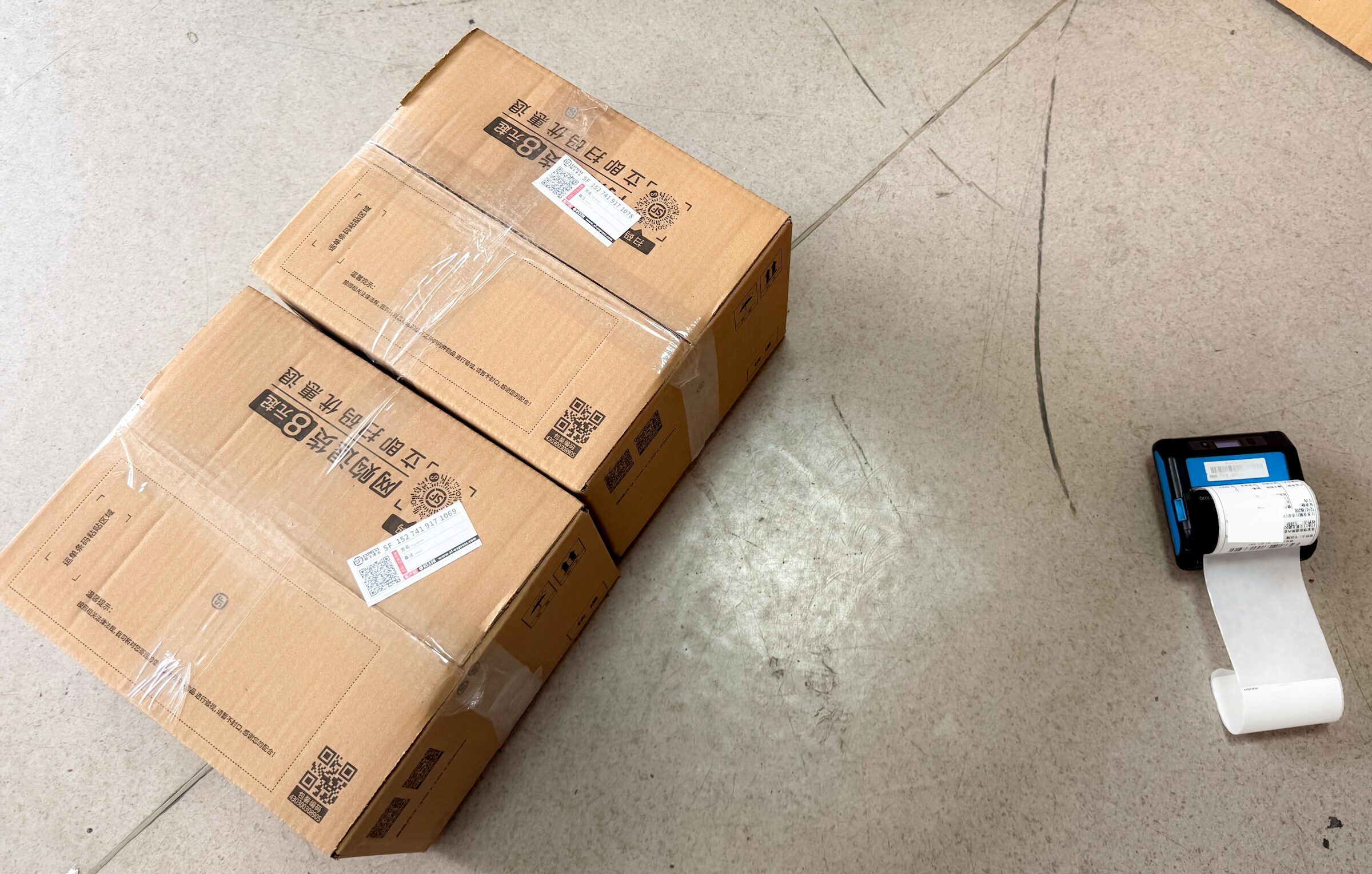
A WMS is about physical movement. Bin and location management, put-away rules, directed and batch picking, wave planning, cycle counting, goods-in and despatch confirmation, usually with handheld scanners. The output that matters is stock accuracy and picks per hour.
The honest test for whether you need one: are your pickers walking the wrong route, picking the wrong bin, or unable to find stock that the system says exists? If yes, and the warehouse is large or fast enough for that to cost real money, a WMS earns its place. If your “warehouse” is a stockroom where everyone knows where everything is, warehouse functions inside your ERP will do, and a WMS is an expensive way to add process.

Which Do You Need First?
- You cannot promise dates reliably → you have an MRP problem. Fix BOMs and lead times, then plan properly.
- Everyone works from a different number → you have an ERP problem. One system of record first; planning improves as a side effect.
- Stock exists but cannot be found → you have a WMS problem, or a location-discipline problem masquerading as one.
- All three at once → start with the system of record. MRP without trustworthy data is theatre, and a WMS on top of a system nobody trusts just automates the confusion.
For most UK SMEs the practical answer is ERP with MRP inside it, warehouse functions in the same system, and a separate WMS only if and when the warehouse outgrows that. Buying all three at once is how a sensible project becomes an eighteen-month programme.

Frequently Asked Questions
What is MRP?
Material requirements planning: it works out what to make or buy and when, using your bills of materials, current stock, open orders, demand and lead times. Its answer is a works order and a purchase plan, and its accuracy depends entirely on the quality of your BOMs and lead times.
What is a WMS, and how is it different from stock control?
A warehouse management system runs the physical warehouse: bin locations, put-away rules, directed and batch picking, cycle counting, goods-in and despatch, usually with scanners. Stock control tells you how many you have; a WMS tells you exactly where it is and who should pick it next.
Is MRP part of ERP?
Usually yes. Most ERP systems include MRP, and MRP II — which extended planning to capacity and finance — is effectively where ERP came from. You rarely buy MRP as a standalone product today unless you are adding planning to a system that lacks it.
Do we need a separate WMS if we have ERP?
Only when the warehouse is big or complex enough to need directed picking, wave planning and tight location discipline. Below that, the warehouse functions inside a decent ERP are enough, and adding a WMS mostly adds process and integration work.
Which should a small manufacturer buy first?
The system of record. MRP built on data nobody trusts will plan the wrong things confidently, and a WMS layered over an unreliable system automates the confusion. Get one agreed source of truth for stock and orders working first, then improve planning.
Weighing up ERP for your own business?
Book a free strategy call. We walk one real order through your business with you and tell you honestly whether custom, cloud or off-the-shelf fits — including when the answer is “not yet”.
Book a Free Strategy Call