
Positions, tracked from day one.
The same keyword set every month, including the ones that went the wrong way. A report that only shows wins is marketing, not measurement.
SEO, AEO & GEO — United Kingdom
Technical SEO, content, local and off-page work on real UK search data — plus Answer and Generative Engine Optimisation, so you are the source ChatGPT, Perplexity and Google AI Overviews cite. Every engagement starts with an audit, not a retainer.
Built on & worked in daily — the stack behind every engagement
 ReactTypeScript
 Node.jsPostgreSQL
 Supabase
 VercelAWS
 GitGitHubWordPressShopifyStripeXeroSageQuickBooks
 Google Search ConsoleGoogle Analytics 4Looker Studio
 Semrush
 AhrefsScreaming FrogPageSpeed InsightsSchema.orgChatGPTPerplexityNext.jsReactTypeScriptNode.jsPostgreSQLSupabaseVercelAWSGitGitHubWordPressShopifyStripeXeroSageQuickBooksGoogle Search ConsoleGoogle Analytics 4Looker StudioSemrushAhrefsScreaming FrogPageSpeed InsightsSchema.orgChatGPTPerplexity
SEO services are four workstreams that only work together: technical SEO so Google can crawl, render and index your site; content and on-page so each page is the best answer to a real query; local SEO so you are found in your area; and off-page work so you are credible. TechAuditPros adds the two that most UK agencies still treat as a footnote — AEO (Answer Engine Optimisation) for answer boxes and GEO (Generative Engine Optimisation) for citation inside AI answers — and every engagement opens with a technical and content audit rather than a retainer.
Search in 2026 Is Two Games
Ten blue links still send most commercial traffic in the UK, and they still go to the fastest, clearest, best-linked page on the query. That is classic SEO and it has not stopped mattering.
A growing share of questions are answered before anyone clicks — in AI Overviews, ChatGPT, Perplexity and Gemini. There you are not ranked, you are quoted or ignored, and being quoted depends on structure and verifiability rather than ad spend.
Optimise only for rankings and you slowly vanish from the answers. Chase only AI and you lose the traffic that actually converts today. The work has to serve both, from the same technical foundation.
Before anything is committed, we go through your site, your Search Console and Analytics data and your three closest competitors, and produce a plain-English audit: what is technically broken, which pages already earn attention, where the gaps are, and what the realistic upside looks like. You own that document whatever happens next. If it says your problem is your offer or your pricing rather than your search visibility, it will say so — and you will have lost nothing but an hour.
See the First 12 Months
The Work Itself
Not everything runs every month. The audit decides the order, and the order changes as the site changes.
Crawling, rendering and indexing, Core Web Vitals, canonicals and duplication, sitemaps and robots rules, structured data, internal linking and log-level diagnosis when it is needed.
Query-first briefs, pages that answer in the first paragraph, headings shaped like the questions people actually type, and internal links that pass authority where it earns something.
Google Business Profile, consistent UK citations, genuinely distinct service and location pages, review generation, and local links from real organisations.
Earned citations from content worth referencing, trade bodies, suppliers and UK press. No paid link schemes, ever — the risk would sit on your domain.
Faceted navigation that does not eat your crawl budget, category and product page structure, product schema, and out-of-stock handling that keeps rankings.
hreflang done properly, market-specific content rather than translation, and the honest call on when a country subfolder is worth the effort.
For React, Angular and Vue sites where Google is rendering late or not at all: server-side rendering or static generation for anything that must rank.
Redesigns, replatforms and domain moves without losing rankings — full redirect mapping and post-launch verification. Plus diagnosis when traffic has already dropped.
AEO & GEO: Being the Answer
Both UK agencies ranking above us for “SEO services” mention AI search in a single line. It is the cheapest, emptiest ground in UK search right now, so here is the whole method rather than a teaser.
Illustration — the same query, both games. Your page has to climb the list and become the source the AI answer names.
A model retrieves a handful of sources, extracts the claims that agree, and names the ones it trusts. Your job is to be easy to extract from and hard to contradict — which is a structural problem before it is a content problem.
The direct answer in the first 60 words, then the detail. Headings phrased as the question. One idea per section. It reads better for humans too, which is why it is not a trick.
FAQPage on visible questions, Organization and Service on the entity, Article with real authors and dates, Product and Breadcrumb where they apply — matching the visible text exactly.
The same name, address, services, author bios and claims everywhere you appear. Models corroborate across sources; inconsistency is what gets you dropped from an answer.
Figures, dates, named tools, real prices where you publish them. “Fast” is unquotable; “LCP under 2.5 seconds on a mid-range Android” is a fact a model can lift and attribute.
We track a prompt set every month — the questions your buyers would actually ask — and record whether you are named, which competitor is, and what source the model leaned on. That is the reporting line nobody else sends you.
What you actually get sent
Positions, tracked from day one.
The same keyword set every month, including the ones that went the wrong way. A report that only shows wins is marketing, not measurement.

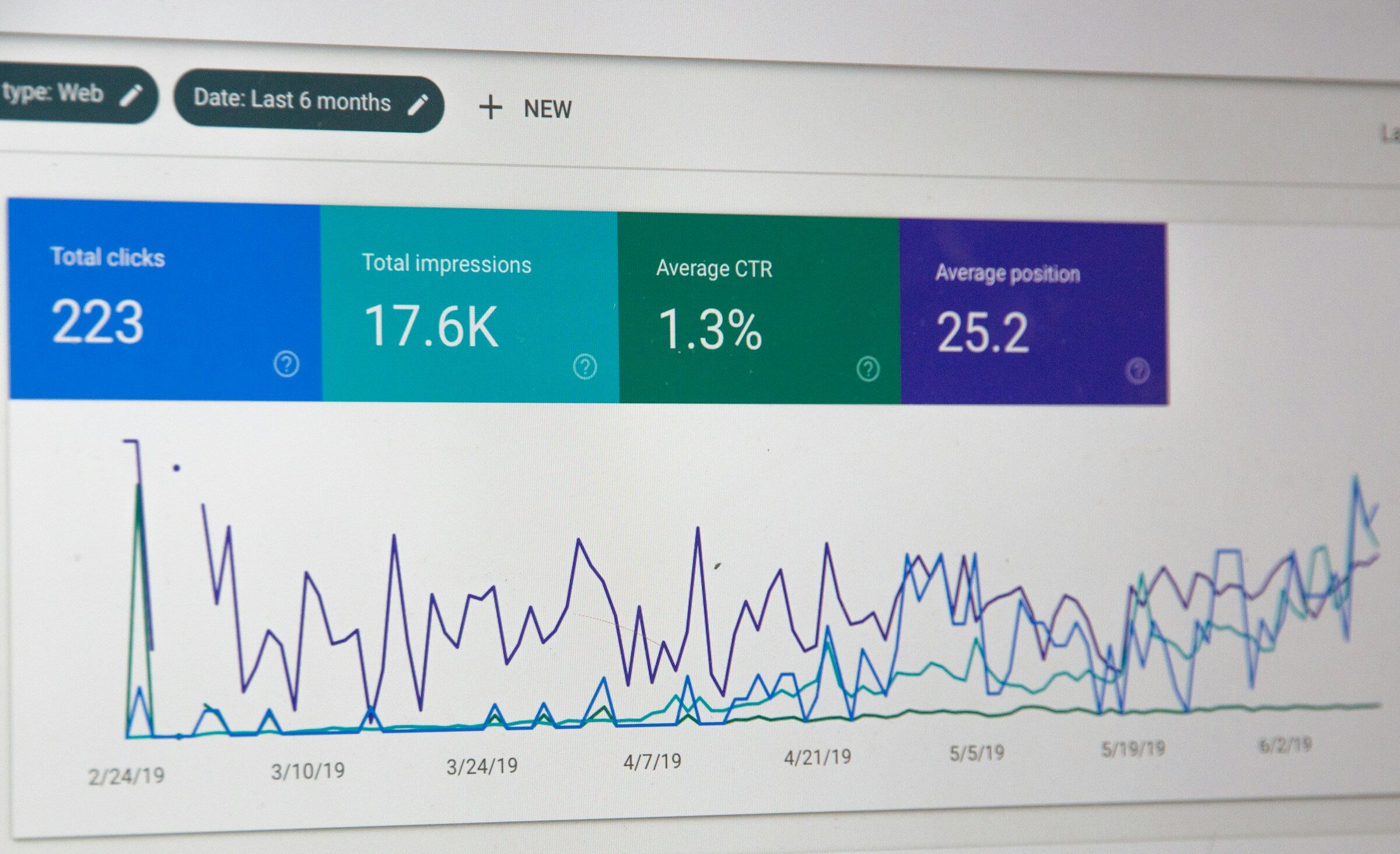
What people really typed.
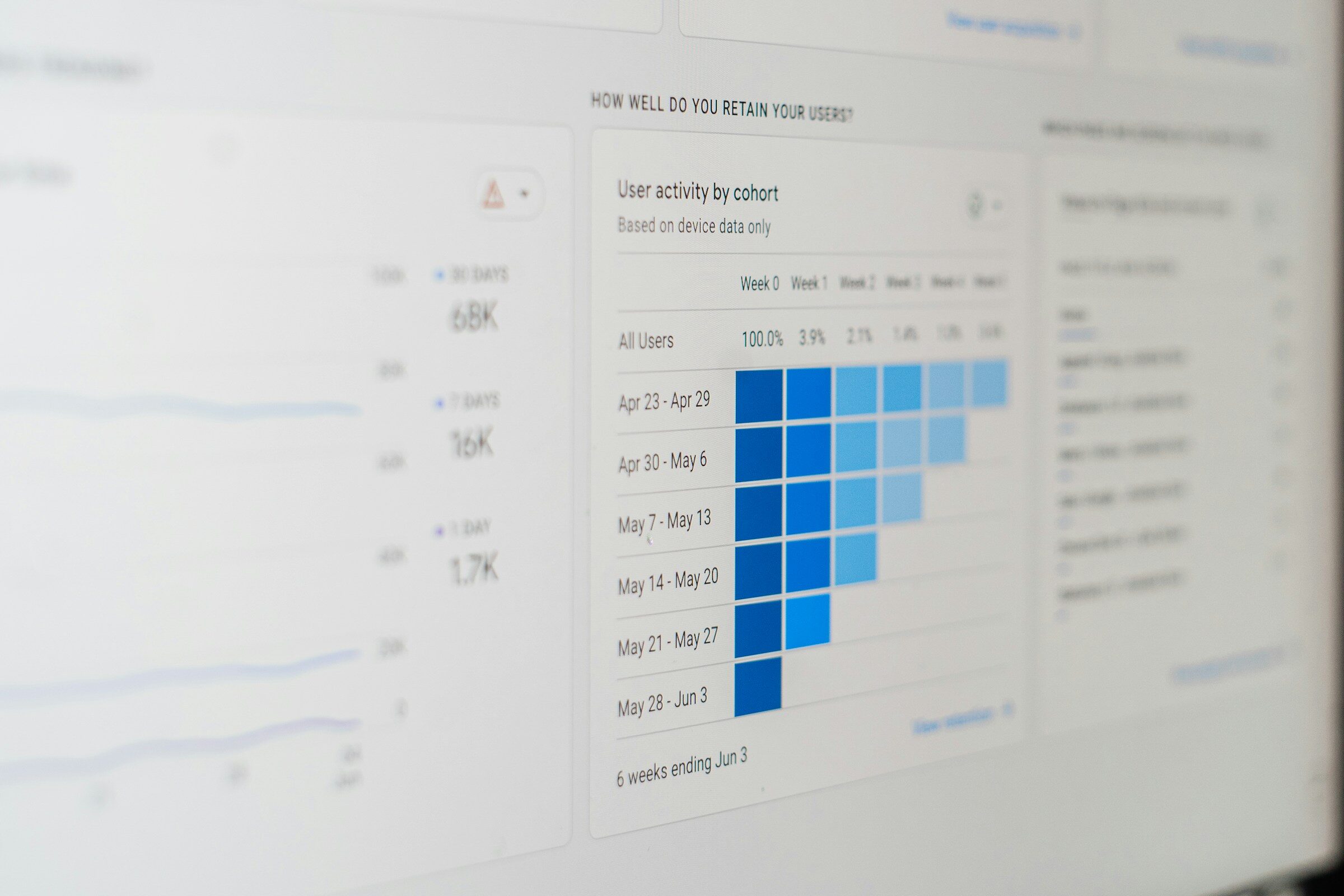
Clicks and impressions, split by page.
Speed and Core Web Vitals.

And a call to go through it.
The First Twelve Months
Technical crawl, Search Console and Analytics review, competitor gap analysis, and a written plan you own. No work committed before you have read it.
Indexing, speed, rendering, structured data and internal links. The cheapest wins live here and they show in Search Console within weeks.
Business Profile, citations and the pages you already almost rank for — rewritten answer-first and given the internal links they were missing.
New pages for the queries the audit found, structured for answer boxes and AI citation, with the prompt-set tracking running every month.
Earned citations, digital PR and the long-tail library that compounds. This is where competitive head terms start to move, not before.
A plain-English report of what changed, what moved and what is next — and a call where you are welcome to disagree with the plan.
What You Receive Every Month
What we changed, what moved in rankings, impressions and clicks, what the AI-prompt tracking showed, what we learned and what happens next. Readable in five minutes by someone who is not a marketer.
The audit, the keyword map, the content briefs and the redirect maps — in your Drive, in your name. If you leave, the strategy leaves with you rather than staying in our tooling.
The people doing the work explain the reasoning and defend the priorities. When we get it wrong, you hear that from us before you notice it in the numbers.
What SEO Costs, Honestly
Neither of the two UK agencies ranking above us for this term publishes a single price — we checked while writing this page. So rather than invent a number, here is the shape of each option and the questions that matter.
Per month, tools only, published prices
Audit first, then one agreed monthly fee
Hourly, monthly or per project
Tool prices are the vendors’ own published rates as of September 2026. The absence of agency pricing is a finding, not an omission: we read the two highest-ranking UK SEO agency pages for this term on 3 September 2026 and neither shows a figure.
Four Things You Will Be Told That Are Not True
Nobody controls Google’s index. A guarantee is either about a keyword nobody searches, or about your own brand name, or it is a lie you will pay for.
Five hundred tracked keywords is a reporting decoration. Twenty that a buyer types before spending money is a strategy.
That is a paid link scheme with a friendlier name. It lifts for a quarter and the penalty risk stays on your domain, not the agency’s.
The traffic moved, it did not evaporate — and AI answers are assembled from indexed pages. Being unrankable and being unquotable are the same problem.
Where This Work Lands
The method is the same; what changes is which of the eight workstreams carries the weight.

Long sales cycles and a handful of high-value queries — where being the clearest answer beats being the loudest advertiser.

Trades, clinics and branch networks, where Maps, service-area pages and reviews decide who gets the call.

Category and product structure, faceted navigation and crawl budget — the unglamorous work that moves revenue.

JavaScript rendering, documentation that ranks, and the AI-citation work that decides whether a model recommends you or a rival.
FAQ
Four workstreams that only matter together. Technical SEO makes the site crawlable, fast and correctly structured. On-page and content work makes each page the best answer to a real query. Local SEO makes you findable in your area and in Maps. Off-page work earns the citations and links that prove you are credible. Anything sold as one of these alone — “we do links”, “we write blogs” — tends to move rankings for a month and then stop.
Honestly: technical fixes can show in Search Console within two to four weeks, local visibility in one to three months, and competitive content and authority work in six to twelve. What should never take six months is knowing whether it is working — the audit tells you what is broken in week one, and the monthly report shows movement in impressions and rankings long before revenue moves.
We checked the two UK agency sites ranking highest for this term while writing this page: neither publishes a single figure. The honest answer is that pricing takes three shapes — an hourly rate, a monthly retainer, or a project fee for an audit or migration — and what you should compare is what is inside it: who does the work, how many hours, whether content and links are included, and what happens if it does not move. Ours is one agreed monthly fee, quoted in writing on the call once we have seen your site and your Search Console data. If tools are all you need, Semrush and Ahrefs publish their own prices at roughly £100–£200 a month and you can run this yourself.
SEO earns a ranking on a results page. AEO (Answer Engine Optimisation) earns the answer box — featured snippets, People Also Ask, voice results — by structuring a direct answer a machine can lift. GEO (Generative Engine Optimisation) earns a citation inside an AI-generated answer in ChatGPT, Perplexity, Gemini or Google AI Overviews. They share a foundation but not their tactics: AEO rewards a clean question-and-answer structure, GEO rewards being the source an AI trusts enough to name.
By being the clearest, most specific, most verifiable source on a narrow question. In practice that means answer-first pages where the answer sits in the first 60 words, question-shaped headings, FAQPage and Organization structured data, real figures and dates rather than adjectives, an entity that is consistent everywhere (name, address, services, author), and enough corroboration elsewhere on the web that a model treats you as a fact rather than a claim. We then measure it: we track which prompts return your name, and which return a competitor.
No, and anyone who does is either lying or bidding on your brand name. Nobody controls Google’s index. What we will commit to is the work, the reporting and the honesty: you will know exactly what changed, what moved, and whether it is worth continuing.
Technical SEO is everything that decides whether Google can crawl, render, index and trust your pages: site speed and Core Web Vitals, mobile rendering, crawl budget, canonical and duplicate handling, sitemaps and robots rules, structured data, HTTPS, and internal linking. You need it when pages are not indexed, traffic dropped after a redesign, the site is slow on mobile, or the site is built in JavaScript and Google is seeing an empty page.
Sometimes, badly, and often with a delay. Google renders JavaScript but on its own schedule and budget, which is why React and Angular sites often have pages that rank late or not at all. The fix is not a plugin: it is server-side rendering or static generation for anything that must rank, with hydration for the interactive parts. We build sites that way and we retrofit sites that were not.
A correct and complete Google Business Profile, consistent name-address-phone data across UK directories, service and location pages that are genuinely different from each other, review generation and response, and local links from real UK organisations. If you serve an area rather than a shopfront, the service-area setup matters more than the pin.
No. We earn citations through content worth referencing, digital PR, supplier and trade-body listings, and genuine local relationships. Bought links are a temporary lift with a permanent risk, and the risk lands on your domain, not on ours.
A written report in plain English: what changed on the site, what moved in rankings, impressions and clicks, what the AI-search tracking showed, what we learned, and what we are doing next month — plus a call to argue about it if you want one. Not a 40-page dashboard export nobody reads.
Yes. UK marketing, design and IT agencies hand us the technical SEO and AI-search delivery for their clients under their own brand, with a shared board and one point of contact. Ask about it on the call.
Not yet, and we will not pretend otherwise while the UK set is new. Our delivered results are in the United States, Canada and Australia, and we will walk you through any of them in detail on a call, including the reporting you would receive. Nothing here runs on a long-term contract, so the risk of starting is one month.
We look at your site, your Search Console and your competitors together, and tell you where the leverage actually is — which is sometimes technical, sometimes content, and occasionally not SEO at all. If the honest answer is that you do not need us yet, you will hear that instead of a proposal.